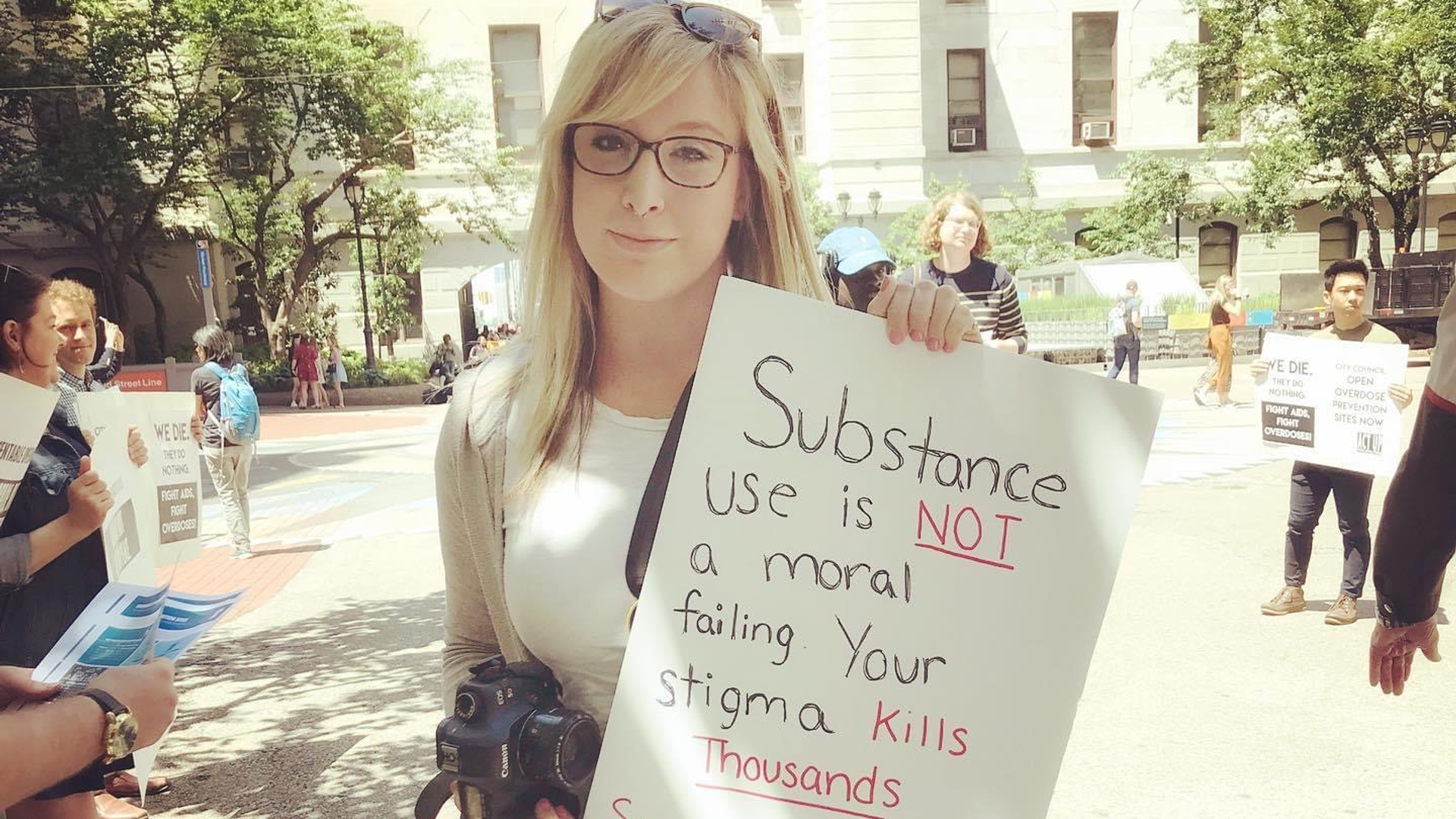
Stigma Reduction
Stigma reduction is not just a "nice-to-have" – it's a vital component in improving the lives of people with Substance Use Disorder. By fostering understanding, compassion, and support, we can create a society where individuals with SUD are not defined by their condition but are given the opportunity to heal, recover, and thrive. Together, we can work toward a world that offers hope, healing, and understanding to those who need it most.
The Impact of Stigma on People with SUD
Stigma refers to the negative attitudes, beliefs, and stereotypes about people based on their behavior or circumstances. When it comes to substance use, stigma can be incredibly damaging. People with SUD are often viewed as morally flawed, weak-willed, or as "choosing" to use substances, even though addiction is a medical condition.
This stigma can manifest in many ways, including:
- Social Discrimination: People with SUD may face rejection from family, friends, employers, and healthcare providers, leaving them isolated and unsupported.
- Internalized Shame: The shame associated with stigma can lead individuals to feel worthless or guilty about their condition, preventing them from seeking the help they need.
- Barriers to Treatment: Stigma can deter individuals from seeking treatment or participating in rehabilitation programs, as they fear judgment or discrimination.
Why Stigma Reduction Matters
- Improves Access to Treatment
- Reducing stigma is essential in creating an environment where people with SUD feel comfortable seeking help. When the fear of judgment or discrimination is eliminated, individuals are more likely to engage in treatment programs. This is particularly important given that early intervention is key to successful recovery.
- Supports Better Mental Health
- Stigma often leads to feelings of shame, guilt, and depression, all of which can worsen the individual’s condition. By reducing stigma, we can create a culture of acceptance that promotes mental well-being, encouraging those struggling with SUD to reach out for support without fear.
- Enhances Recovery Outcomes
- Research has shown that supportive, nonjudgmental environments lead to better recovery outcomes for people with SUD. When stigma is reduced, individuals are more likely to stay in treatment longer, adhere to their recovery plans, and rebuild their lives without the constant weight of shame.
- Promotes Public Education and Awareness
- Stigma reduction efforts often involve education campaigns that inform the public about the medical nature of addiction and the social factors that contribute to it. This can lead to a broader understanding of the challenges faced by people with SUD, reducing harmful misconceptions and fostering empathy.
- Encourages Compassionate Care
- Healthcare professionals are often at the forefront of treating people with SUD. However, without stigma reduction training and initiatives, they may inadvertently perpetuate harmful stereotypes. Reducing stigma in healthcare settings ensures that individuals with SUD receive compassionate, evidence-based care, free from judgment.
- Fosters Community Support
- Communities that embrace stigma reduction are more likely to offer resources, support groups, and programs designed to assist those affected by SUD. By normalizing conversations around substance use and recovery, communities can build stronger, more inclusive environments where individuals feel empowered to seek help.
The Role of Society in Reducing Stigma
The fight against stigma is a collective effort. Everyone – from individuals to healthcare providers, to lawmakers, and organizations – has a role to play in reducing the stigma surrounding Substance Use Disorder. Here’s how:
- Individuals: Be mindful of your language and actions. Use terms that respect people with SUD, and avoid reinforcing stereotypes. Show empathy and encourage others to do the same.
- Healthcare Providers: Train staff to understand addiction as a medical condition. Providing nonjudgmental, evidence-based care can significantly improve recovery chances.
- Governments and Organizations: Advocate for policies that improve access to treatment, reduce discrimination in workplaces, and protect the rights of people with SUD.
What Joining Forces is doing
The FR-CARA Grant awarded to the Lancaster Drug and Alcohol Commission and administered through Penn Medicine Lancaster General with Joining Forces as the steering committee has an objective to train the community on disparities within the substance use population. The data currently shows that increased distribution of Naloxone in Lancaster County has decreased the overdose deaths. Although deaths have decreased, we are aware through our community partners, on the ground, that overdoses are still occurring. Individuals are using Naloxone to prevent deaths, but then are not seeking medical attention following the overdose. Many have proposed that individuals are avoiding medical attention to elude judgement. To help address this barrier to treatment we created an educational video aimed at raising awareness and reducing stigma around substance use. The video is designed to foster empathy, challenge misconceptions, and provide accurate information about substance use disorders. Our target audience includes healthcare professionals, educators, community organizations, policymakers, and the general public.